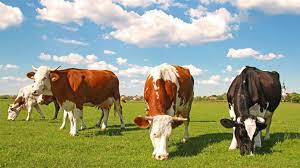
Livestock farming and animal husbandry are integral components of Yobe State’s agricultural sector, contributing significantly to the economy and livelihoods of its people. The state’s favorable climatic conditions and vast grazing lands support large-scale production of livestock, including cattle, sheep, goats, and poultry.
Yobe State is known for its robust livestock markets and fairs, such as the Potiskum Cattle Market, which is one of the largest in the region. These markets serve as hubs for buying, selling, and trading livestock, facilitating economic activities and providing income opportunities for local farmers and traders.
To support sustainable livestock farming practices, the government of Yobe State has implemented initiatives aimed at improving animal health services, promoting breed improvement programs, and enhancing access to veterinary care. These efforts are crucial for enhancing productivity, ensuring food security, and promoting the resilience of rural communities.
Despite challenges such as climate variability and livestock diseases, Yobe State continues to prioritize the development of its livestock sector through strategic investments, research, and capacity building. Strengthening the livestock value chain is essential for maximizing economic potentials and improving the livelihoods of livestock farmers in the state.
Sources:
Federal Ministry of Agriculture and Rural Development, Nigeria